 Best-seller
View details
€39.00
Free EU delivery
Save 16%
From €32.37/bottle
Botanical
Horse chestnut supplements use an extract of the seed of Aesculus hippocastanum. The characterising constituent is a saponin mixture called aescin (also spelled escin).
Horse Chestnut is included in our formulas as a botanical ingredient with traditional wellness heritage. No authorised health claim has been approved for it under EU or GB law, so we share only its identity, origin, dose and documented history — never implied benefits.
Claims held “on hold” pending evaluation are treated here as unauthorised. We will not imply an effect through images, testimonials or suggestive wording either.
Wording we never use for Horse Chestnut
supports · improves · boosts · reduces · treats · prevents · balances · detoxes · protects
Forms
Quality extracts declare an aescin percentage, usually 16–20%. The raw seed also contains esculin, which is why only processed, standardised extracts are used in supplements and unprocessed seed is not eaten.
Sourcing
Seeds of the Aesculus hippocastanum tree.
In our formulas
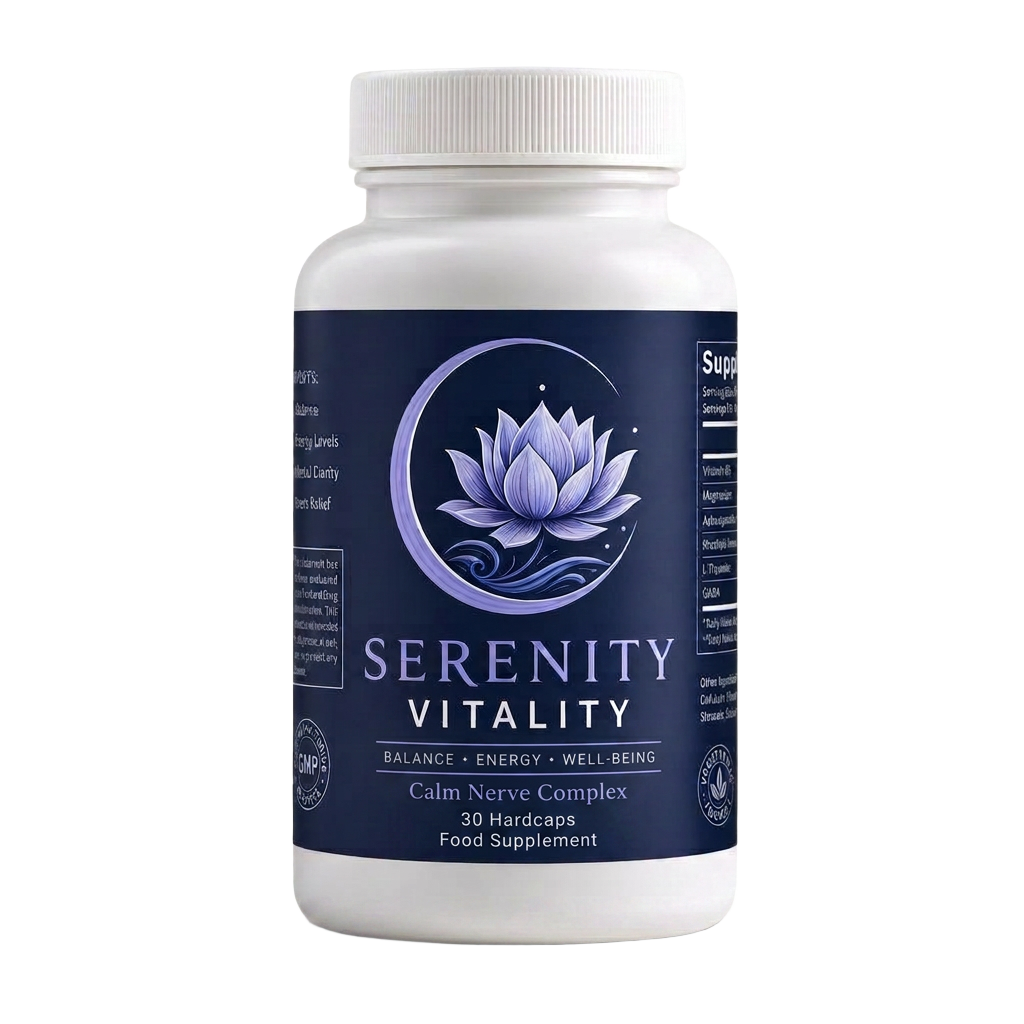
Core ingredient in Serenity Vitality.
Choose formulas standardised to contain 16% to 20% aescin.
Exact amounts per daily portion are declared on every product label and on each product page.
History
Horse chestnut seed preparations have a long record of use in continental European herbal practice, documented from the 18th century onward.
Recorded as history. A record of traditional use is not evidence of an effect and is not a health claim.
Evidence
Horse chestnut seed extract has been evaluated in chronic venous insufficiency in a number of small randomised trials, reviewed by Cochrane, which judged the evidence limited and the trials of variable quality. Those are clinical populations and clinical endpoints; no food-supplement health claim is authorised in the EU or GB.
Safety
Not for use in pregnancy or breastfeeding. Seek advice if you take anticoagulants or have kidney or liver problems. Do not use on broken skin or over suspected clots.
Food supplements are not a substitute for a varied, balanced diet and a healthy lifestyle. Do not exceed the recommended daily portion. Keep out of reach of young children.
Featured in
Best-seller€39.00
Free EU delivery
From €32.37/bottle
Deep dive
Also in botanicals