
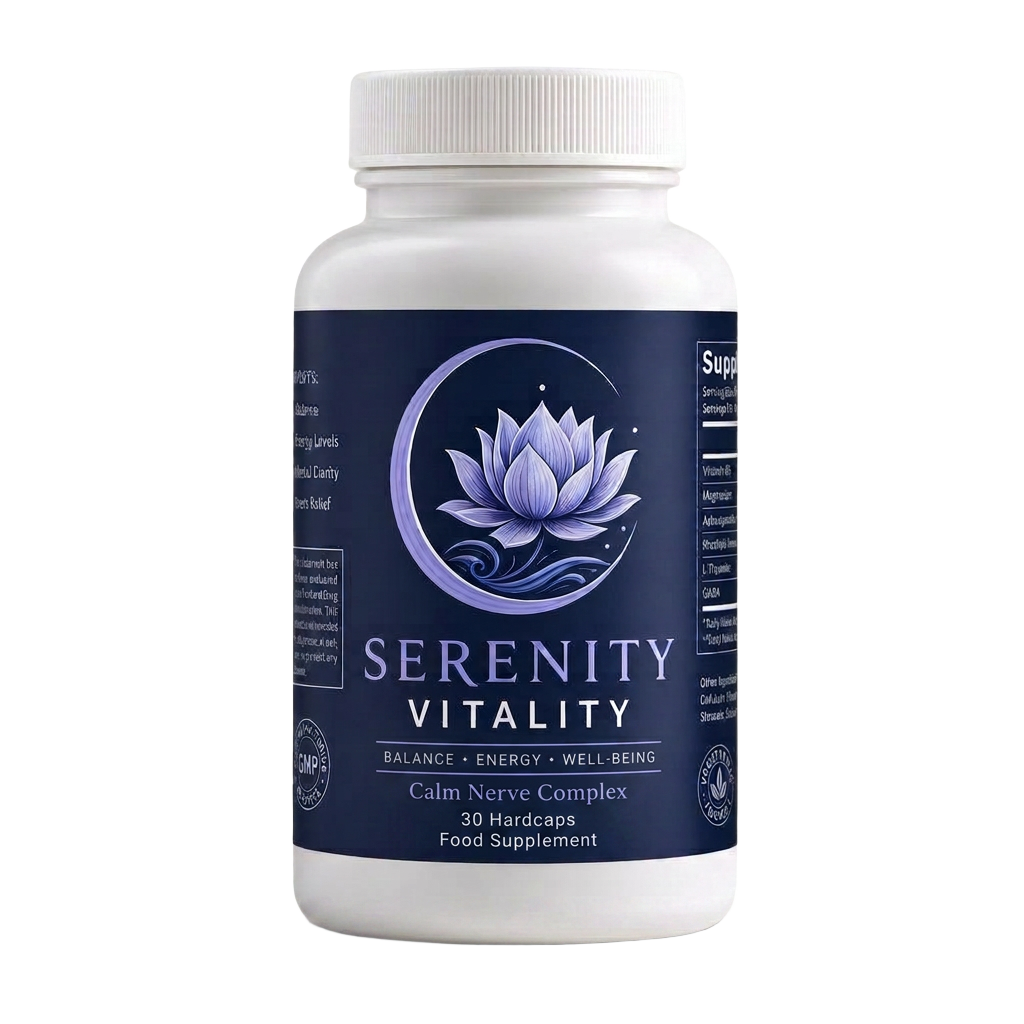
 Best-seller
View details
€39.00
Free EU delivery
Save 16%
From €32.37/bottle
Botanical
Curcumin is the principal yellow pigment of turmeric (Curcuma longa) rhizome, one of a group of compounds called curcuminoids. Raw turmeric powder is only a few percent curcuminoids by weight, so supplements normally use a concentrated extract.
Curcumin is included in our formulas as a botanical ingredient with traditional wellness heritage. No authorised health claim has been approved for it under EU or GB law, so we share only its identity, origin, dose and documented history — never implied benefits.
Claims held “on hold” pending evaluation are treated here as unauthorised. We will not imply an effect through images, testimonials or suggestive wording either.
Wording we never use for Curcumin
supports · improves · boosts · reduces · treats · prevents · balances · detoxes · protects
Forms
Look for the curcuminoid percentage (95% is common in extracts) and any absorption technology named on the label — piperine, phospholipid complexes or micellar preparations. These change how much reaches circulation, which is why dose figures are not comparable across formats.
Sourcing
Curcuma longa rhizome.
In our formulas
Paired with piperine for absorption.
Take with a fat-containing meal.
Exact amounts per daily portion are declared on every product label and on each product page.
History
Turmeric has been used as a culinary and household preparation across South Asia for centuries. That is a record of use, not a demonstrated effect.
Recorded as history. A record of traditional use is not evidence of an effect and is not a health claim.
Evidence
Curcumin has a very large preclinical literature and a much thinner clinical one. Human trials are limited by poor oral bioavailability and inconsistent preparations, and results are mixed. No health claim for curcumin is authorised in the EU or GB.
Safety
May not be suitable if you take anticoagulants, or if you have gallstones or bile-duct obstruction. High doses can cause digestive upset. Seek advice before use in pregnancy.
Food supplements are not a substitute for a varied, balanced diet and a healthy lifestyle. Do not exceed the recommended daily portion. Keep out of reach of young children.
Featured in
Best-seller€39.00
Free EU delivery
From €32.37/bottle
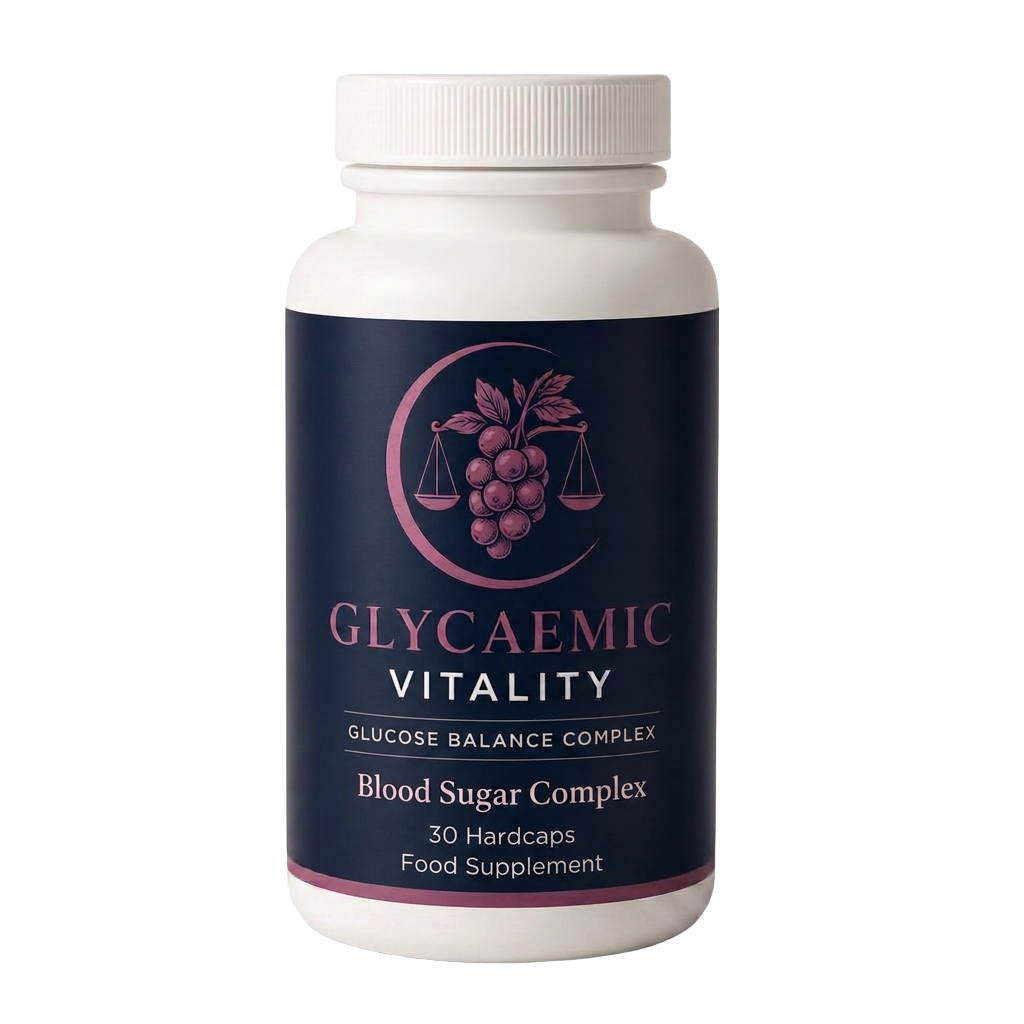
€89.00
Free EU delivery
From €73.87/bottle
Deep dive
Explore how curcumin, the active compound in turmeric, supports joint comfort, heart health, and antioxidant protection.
Read articleDiscover the evidence behind popular joint pain supplements like glucosamine, turmeric, and omega-3 to help support your mobility.
Read articleDiscover why combining turmeric's active compound, curcumin, with black pepper extract (piperine) is essential for unlocking its full health benefits.
Read articleAlso in botanicals